

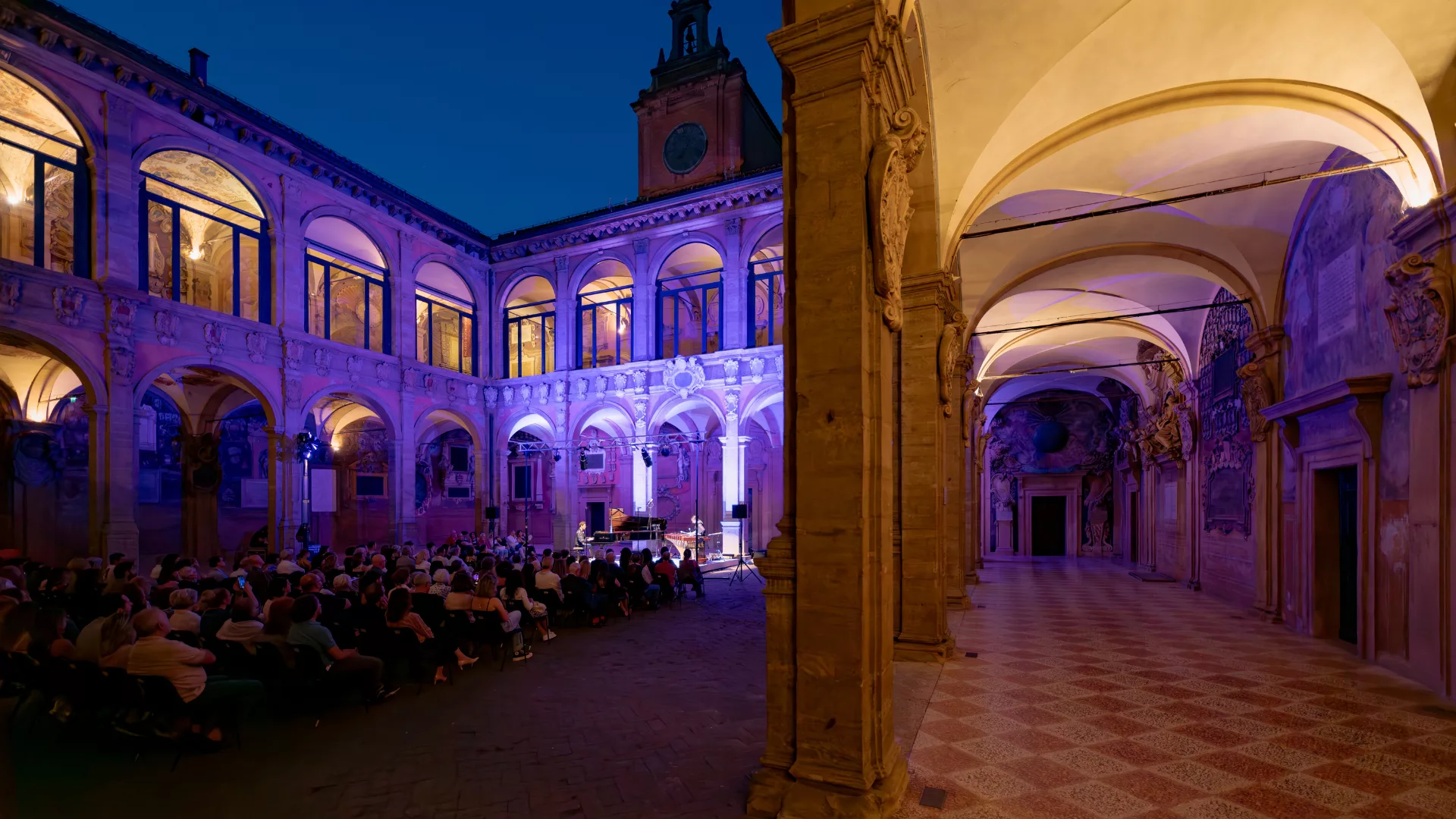
Nearly fifty years of history and close to 1,300 concerts: Bologna Festival approaches 2026 with a rich and multifaceted season, conceived as a tapestry of events that unfolds across the city and its many venues. Theatres, museums, cloisters, universities, churches, and even unconventional spaces all become part of a single musical narrative, in constant dialogue with Bologna.
The programme engages audiences of all ages: from early childhood to young people, from families to seasoned listeners, as well as those discovering classical music for the first time. Repertoire ranges from early to modern and contemporary music, featuring new works, rediscoveries, commissions, and premieres. Alongside concerts, the Festival offers talks, educational activities for adults and students, musical theatre for younger audiences, and community outreach initiatives.
The series
Great Performers and Leading Orchestras
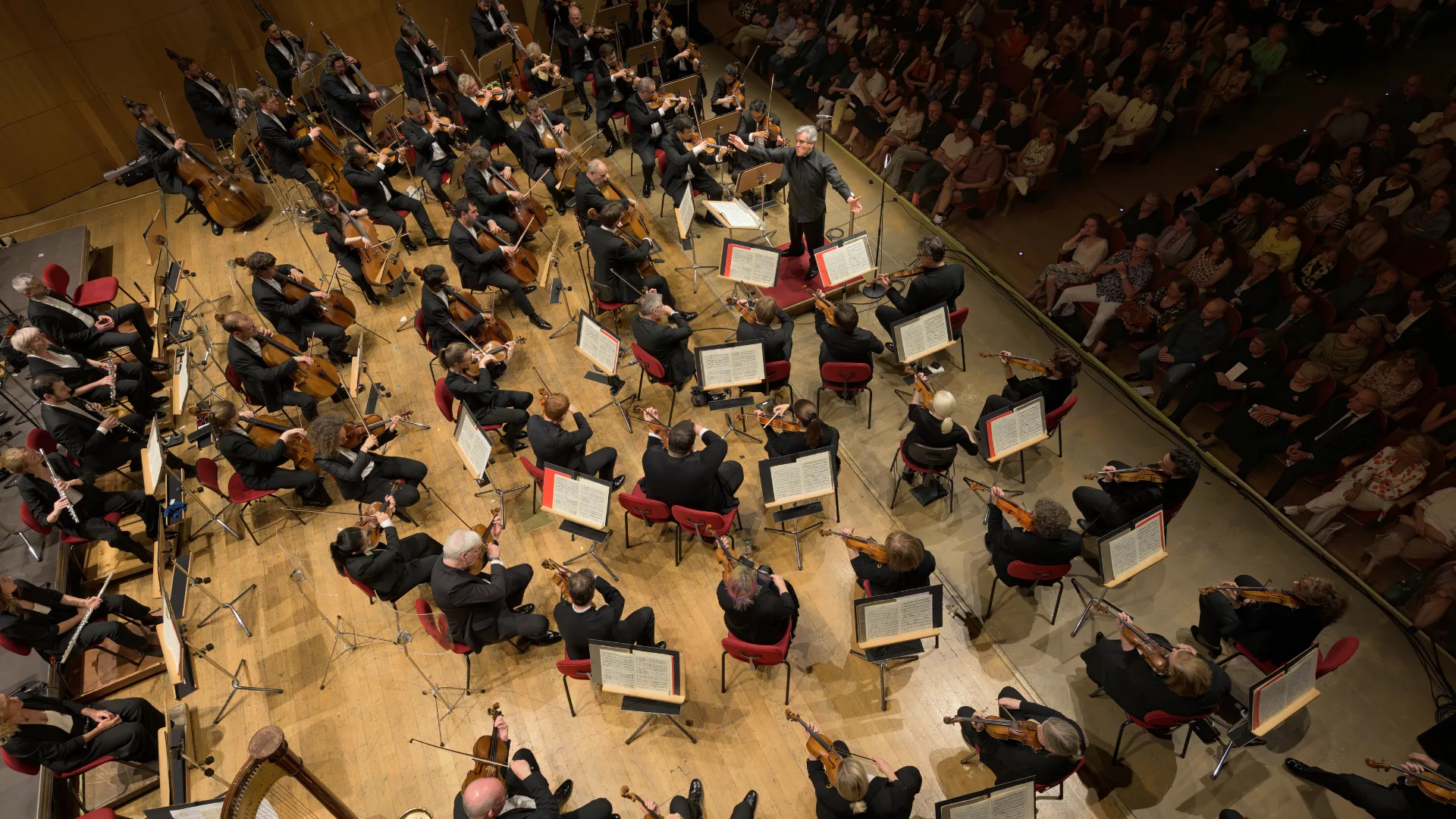
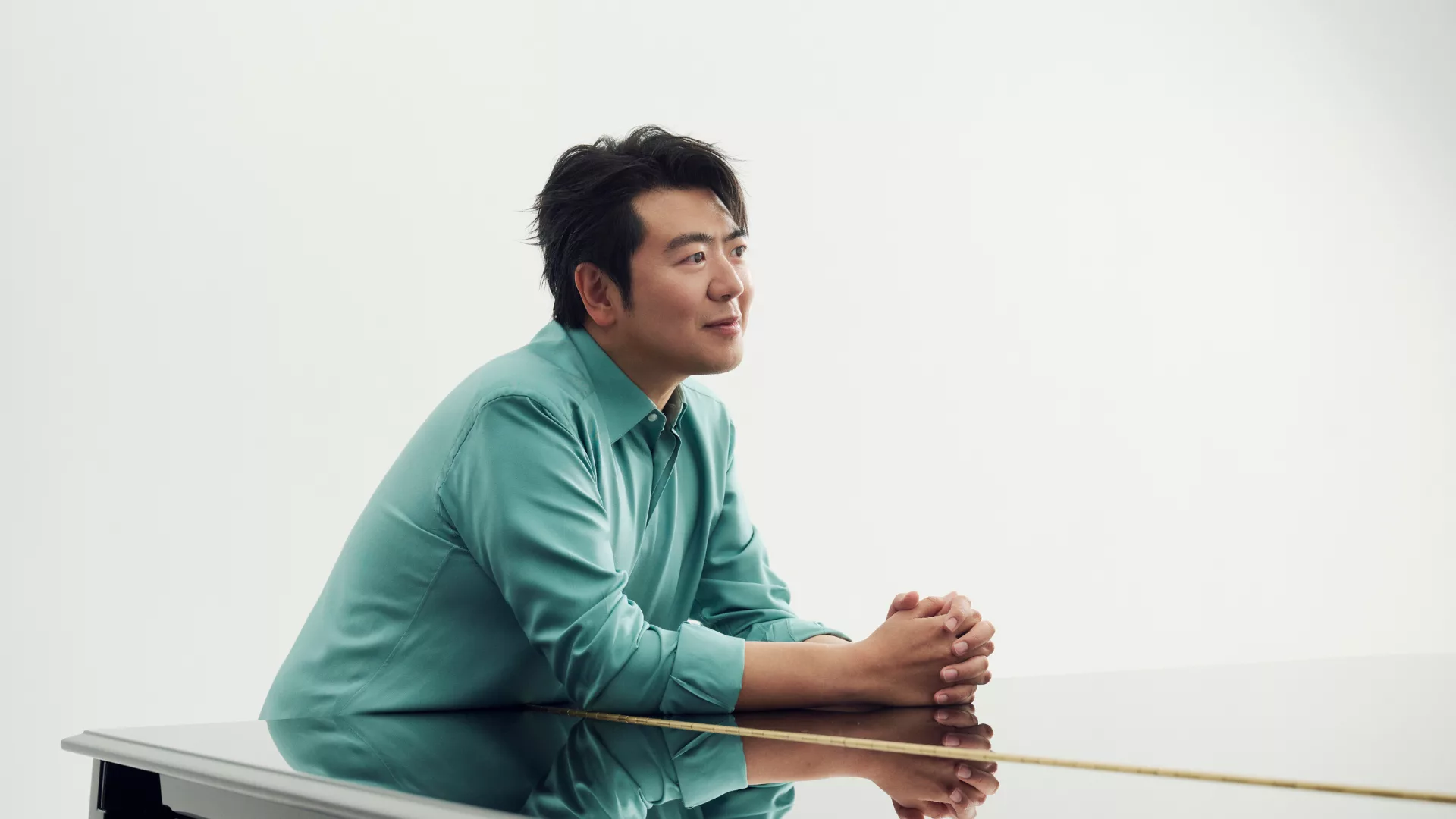
The Grandi Interpreti series welcomes some of the foremost figures on the international stage, presenting landmark works from the symphonic and chamber repertoire, with Mahler at the heart of the programme. Highlights include the Chamber Orchestra of Europe conducted by Sir Simon Rattle; Daniel Harding leading the Orchestra dell’Accademia Nazionale di Santa Cecilia; and the Münchener Kammerorchester with Piotr Anderszewski. The season also marks the return of Teodor Currentzis with the Utopia Orchestra and violinist Vilde Frang; the Orchestra Leonore takes on Tchaikovsky and joins Alexander Malofeev in Grieg’s Piano Concerto. The season concludes in December with Lang Lang.
Series and Pathways: Listening, Research, New Perspectives
The Carteggi Musicali series intertwines music with critical reflection: among the most anticipated events is the lecture-concert dedicated to Cristina Trivulzio di Belgiojoso, featuring the rare performance of Hexaméron, a collective piano work that brings together, among others, Chopin and Liszt.
The Il Nuovo, l’Antico, l’Altrove series places eras and geographies in dialogue: historically informed performance meets digital perspectives, new narrative dramaturgies, and intercultural openness. From the opening concert Maria & Maddalena to Water & Spirit dedicated to Tan Dun (in collaboration with FontanaMIX), to Emanuele Arciuli’s recital featuring John Cage and a digital exploration of the prepared piano, the series concludes with Songs for Peace and Light, performed by the Balthasar Neumann Chor.
Young Artists, Education, New Audiences
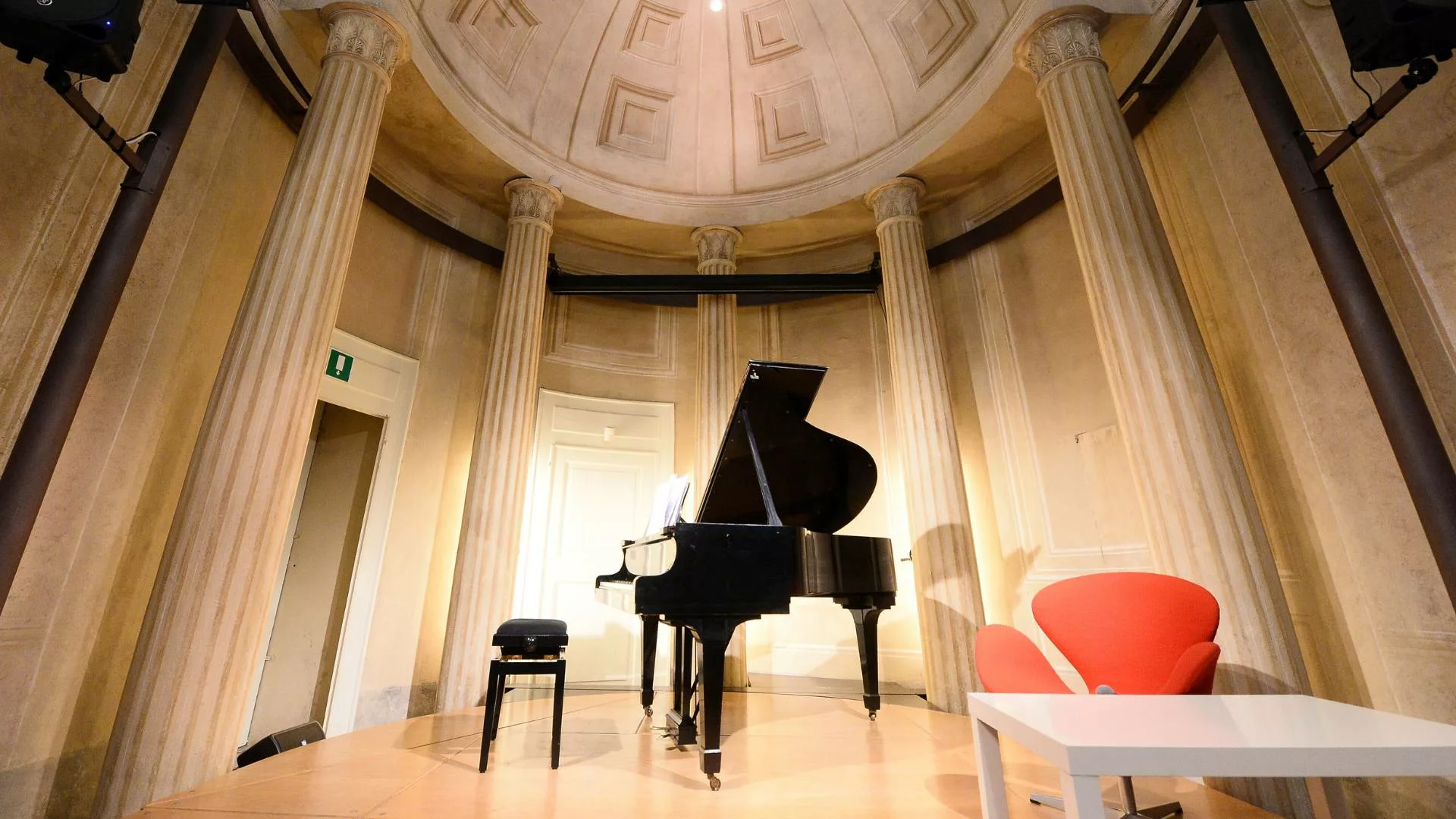
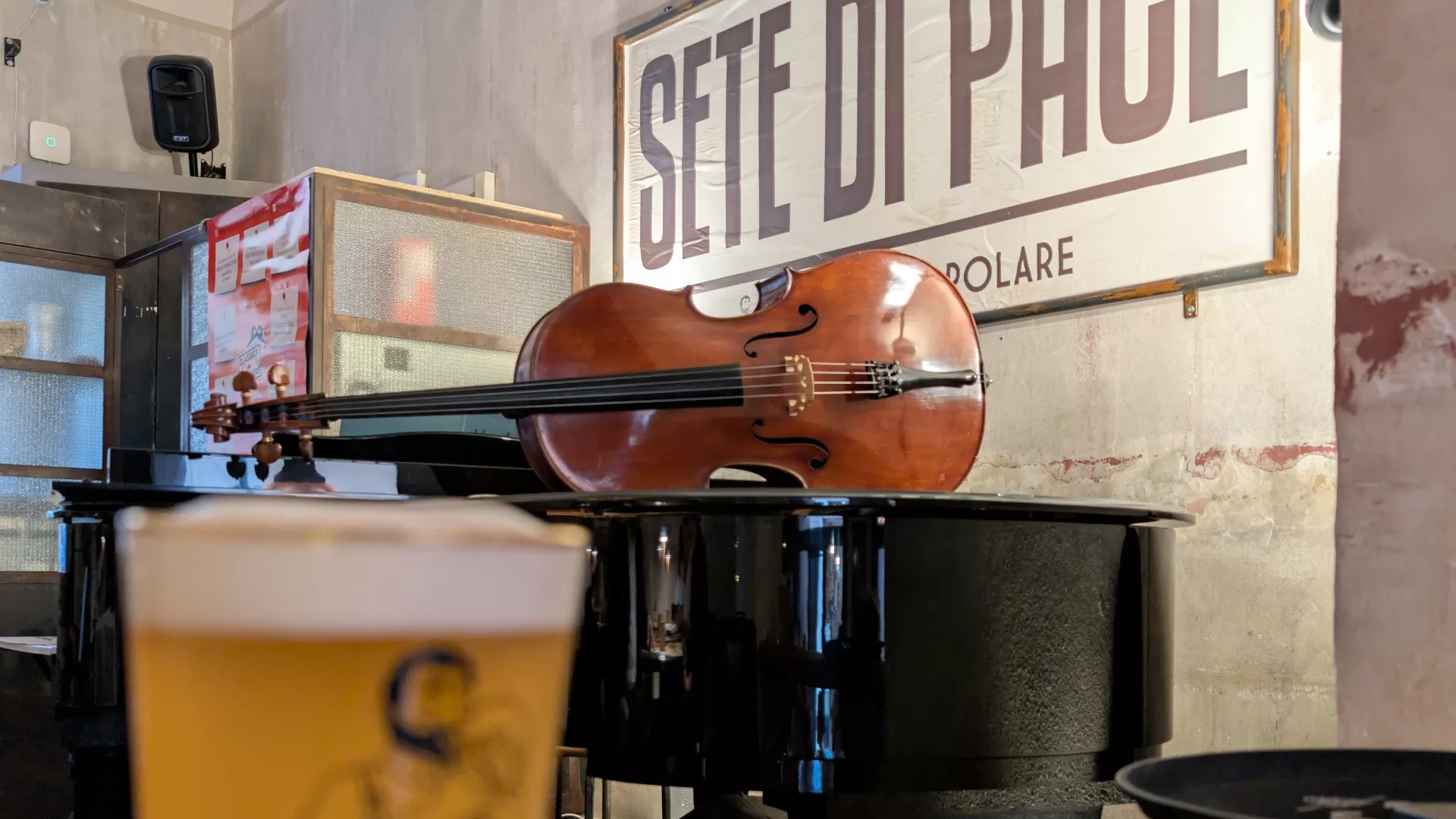
A strong focus on generational renewal shapes the Talenti series and the Classica in Sneakers project, conceived in an unconventional venue to foster encounters between under-30 performers and new audiences. In parallel, Palazzo Pepoli in Musica, with the Orchestra Barocca di Bologna, consolidates a programme dedicated to the Baroque repertoire within a museum setting closely tied to the city’s history.
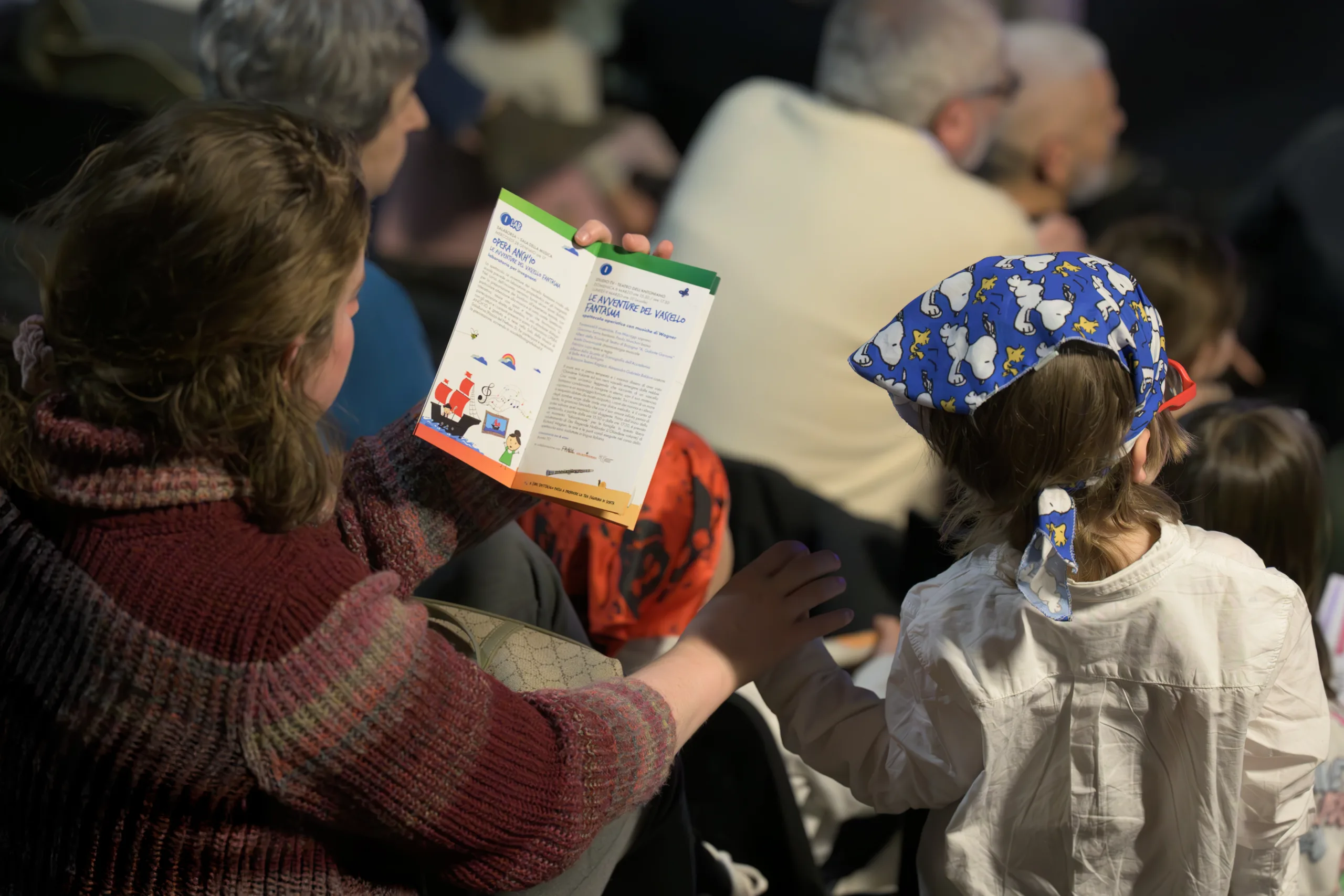
Education plays a central role: Note sul Registro is designed for lower and upper secondary schools, while the Baby BoFe’ programme—this year extending for the first time to Teatro Manzoni—engages younger audiences.
Social Commitment and Solidarity
Bologna Festival continues its social engagement through Leporello, a programme inherited from the Fondazione Claudio Abbado, which offers music workshops within the juvenile detention centre of the Pratello. As in previous editions, solidarity initiatives remain integral to the season: a preview opera gala featuring Vittorio Grigolo opens the programme with a fundraising event.
A Season Made Possible by a Community
The 2026 season is the result of a shared effort: from the leadership of a President approaching ninety, supported by a far-sighted Board of Directors, to the dedication of a skilled and passionate staff, as well as the support of public institutions and the invaluable contribution of long-standing patrons and new supporters alike.